Smart Shopping
A debt collector is calling: your rights and what to do
A call about an old debt can be scary. You have rights, and the first step is making the collector prove the debt is real and yours.
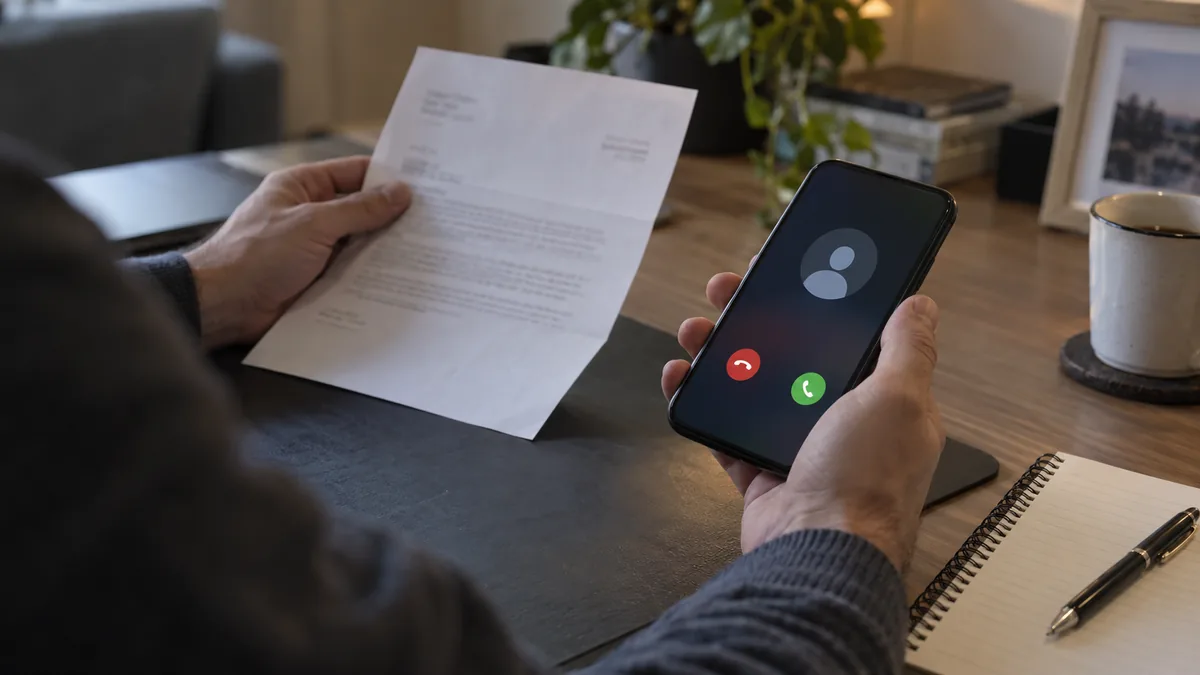
The phone rings about a debt you do not remember, or one you know about but cannot pay right now. Before you promise anything, know your rights.
What collectors can and cannot do
The federal Fair Debt Collection Practices Act sets the rules. The FTC debt collection FAQs and the CFPB debt collection guide explain them in plain English:
- No calls before 8 a.m. or after 9 p.m. your local time, in general.
- No harassment, threats or abusive language.
- No false claims, like saying you will be arrested.
- No talking about your debt with most other people.
Step 1: ask for validation
The collector must send a validation notice with the amount owed, the name of the creditor and how to dispute. Do not pay or agree to a plan until you have it and have checked it.
Step 2: dispute in writing if something is wrong
If the debt is not yours, the amount is wrong or it was already paid, send a written dispute within the period stated in the notice. Keep a copy and proof of mailing. The collector must pause collection until it verifies the debt.
Step 3: if the debt is valid, negotiate
- Offer what you can realistically pay, either a lump sum or a plan.
- Get any agreement in writing before paying.
- Pay the collector directly, never through a stranger's link or gift cards.
Watch out for fake collectors
Scammers pose as collectors. If the caller refuses to send anything in writing, pushes for gift cards or wire transfers, or threatens arrest, hang up and contact the original creditor yourself.
Frequently asked questions
Can a debt collector call me at any time?
No. Under federal law, collectors generally cannot call before 8 a.m. or after 9 p.m. your local time, and you can tell them not to contact you at work.
What is a validation notice?
A notice the collector must give you with the amount, the creditor and how to dispute. It generally comes with or shortly after the first contact.
What if the debt is not mine?
Dispute it in writing within the validation period. The collector must stop collecting until it verifies the debt.
Can I be arrested for unpaid debt?
No. A collector cannot threaten you with arrest for an ordinary consumer debt. That kind of threat is a warning sign of a scam or illegal collection.
See how the collection account shows up in your credit history.