How to Build an Emergency Fund on a Low Income
A realistic, step-by-step plan to start your emergency fund even on a tight budget, no magic formulas and no cutting everything you enjoy.
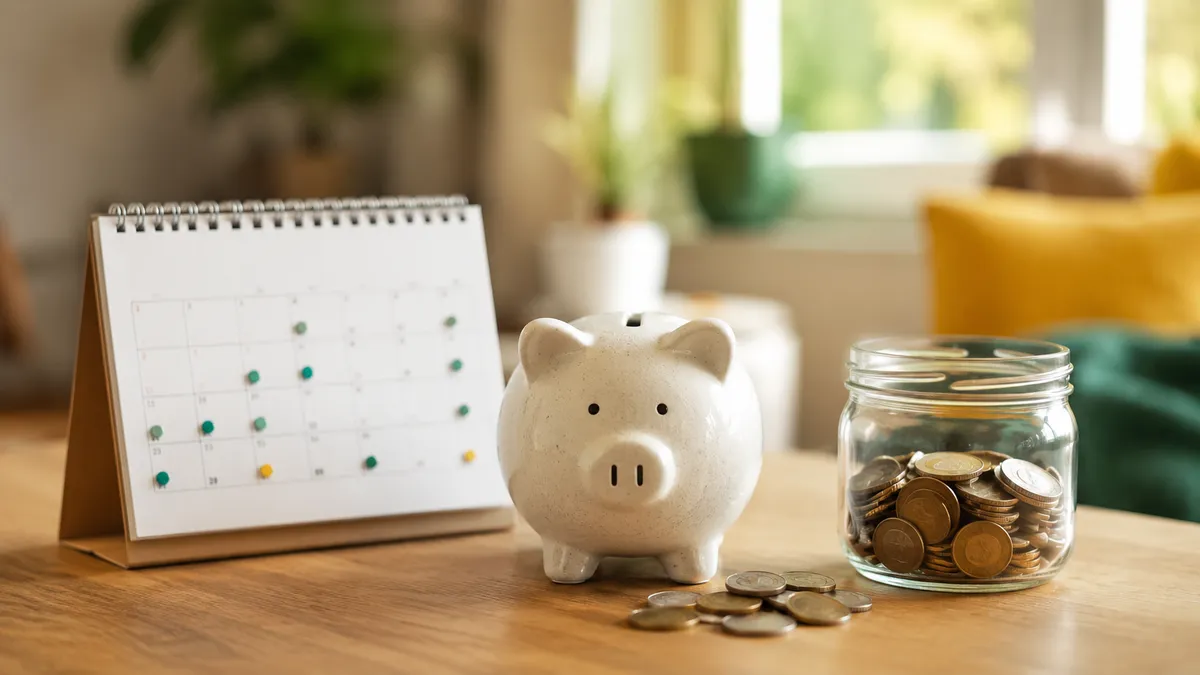
"There's nothing left to save." That sentence is true for millions of households, and yet an emergency fund is still possible. The secret isn't saving a lot; it's changing the order: save first, however little, and live on the rest.
Why the fund comes before any investment
Without a buffer, every surprise becomes debt: the flat tire goes on the credit card, the prescription hits the overdraft. And high-interest debt destroys in weeks what took months to save. An emergency fund is, in practice, the cheapest insurance there is.
Calculator: how big your emergency fund should be
An emergency fund is sized by what you spend, not by what you earn.
Three months already changes life for someone with steady income. Freelancers usually need six. Starting small and not stopping beats waiting for a big surplus.
The first 90 days
Month 1: Find your number
Track every expense for 30 days. At the end, identify the smallest amount you can set aside without touching essentials. It can be the price of a pizza. The goal of month one is building the habit, not the balance.
Month 2: Automate
Schedule an automatic transfer for the day after payday. What leaves before you see it doesn't hurt. Keep it in an account separate from daily spending, ideally at another institution, to add friction against impulse withdrawals.
Month 3: Boost it with recovered money
Every hidden expense you cut (subscription, fee, interest) becomes an automatic raise for the fund. It's money you didn't miss spending, you won't miss saving it.
Ways to speed it up without pain
- Save all "extra" money: tax refunds, bonuses, cash from selling something used. Income that wasn't in the budget won't be missed by the budget.
- Use the 24-hour rule: every unplanned purchase waits a day. Whatever survives the wait, you buy; the rest becomes savings.
- Progressive challenges: start with a tiny weekly amount and raise it slightly each week. The gentle ramp tricks the feeling of sacrifice.
- Sell what's idle: unused clothes, electronics and furniture are an emergency fund sleeping in your closet.
Where to park the money
A good fund is safe and available. Prefer conservative options with same-day access, like insured savings accounts. Distrust anything promising returns far above average, high risk and emergency savings don't mix. Confirm fees and conditions with the institution before applying.
With the fund crawling forward, the next step is stopping the bank from taking a slice of it: see how to zero out your bank fees.
Official sources to check
Laws and official pages on this topic, so you can confirm the current rules and numbers before you decide.
Frequently asked questions
How much should an emergency fund hold?
The most common reference is a few months of your essential cost of living, three to six months is the range financial educators cite most. But any amount saved already works as a buffer; start small.
Where should I keep the emergency fund?
In safe places with quick access, like a high-yield savings account. The goal here isn't maximum returns, it's having the money available when you need it. Compare options and check conditions before committing.
Should I save before paying off debt?
It depends on the interest. Expensive debt, like revolving credit card balances, usually grows faster than any savings yield, prioritize paying it off. Still, keeping a small starter fund prevents new debt when surprises hit.