Are Home Security Systems Worth It? Costs, Options and What Really Deters
From DIY cameras to professionally monitored systems: compare real costs, what genuinely deters break-ins, insurance discounts and the contract traps to avoid.
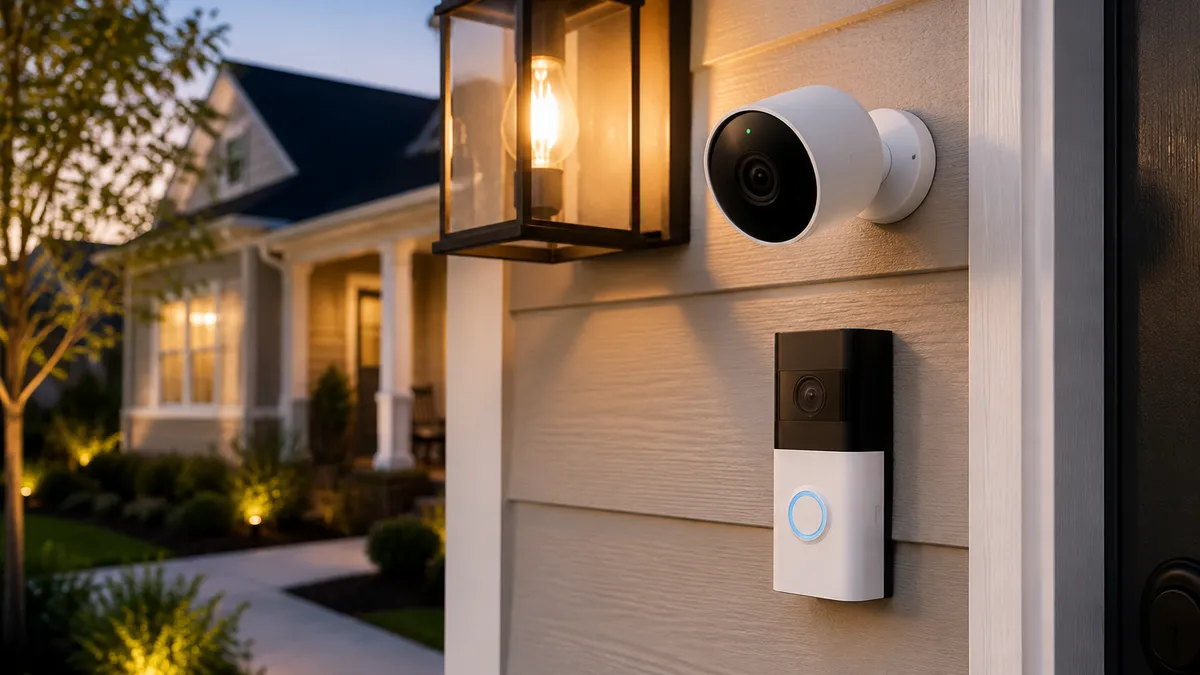
Home security went from expensive contracts to an aisle full of affordable cameras, and with the options came confusion. What actually protects a home: the camera, the monitoring plan, or the sign in the yard? The honest answer is layers. Here's how to build them without overpaying.
What actually deters break-ins
Burglars overwhelmingly prefer easy, quiet, empty-looking targets. The deterrence hierarchy that emerges from prevention guidance is unglamorous:
- Solid physical security: good deadbolts, reinforced strike plates, locked windows, a secured garage door;
- Signs of occupancy: lights on timers, a car in the driveway, mail collected;
- Visible surveillance: cameras and doorbell cams in plain sight, plus signage;
- Alarm response: noise plus the possibility of dispatch.
Notice that the cheapest layers come first. A premium camera watching a door with a weak lock is a movie of your break-in, not a prevention.
The three system tiers and their real costs
Tier 1: DIY, self-monitored
Cameras, doorbell cam, sensors and a hub; alerts go to your phone. Lowest cost, no contract, but the response is only as good as your attention. Watch for cloud storage subscriptions that quietly become the real price; compare models with local storage.
Tier 2: DIY equipment + optional professional monitoring
The fast-growing middle: install it yourself, pay a monthly fee for a monitoring center that can act when you can't. No long contract in many cases, the flexibility is the selling point.
Tier 3: Full professional install and monitoring
Highest cost, typically with multi-year contracts. Best for those who want zero setup effort, but read termination clauses carefully; long contracts with steep exit fees are the sector's classic trap, the same pattern we flag in telecom contracts.
The math most people skip
- Total 3-year cost: equipment + subscriptions + monitoring + storage fees, compare tiers on this number, not the sticker;
- Insurance discount: ask your insurer what a monitored system knocks off the premium (see lowering your homeowners insurance) and subtract it;
- Your response reality: if you travel often or silence notifications, self-monitoring is a smoke detector nobody hears.
Privacy and the fine print
Cameras record your family too: prefer systems with strong account security (enable two-factor authentication), understand where footage is stored, and point outdoor cameras at your property, not the neighbors'. On contracts, the red flags are familiar from every industry: long lock-ins, auto-renewals and cancellation labyrinths, read before signing, as always in our smart buying playbook.
Frequently asked questions
Do security systems actually prevent burglaries?
Visible deterrents, cameras, signs, lighting and the appearance of occupancy, are widely associated with burglars choosing easier targets. No system guarantees prevention, but layers of deterrence plus solid physical locks meaningfully raise the effort a break-in requires.
DIY or professional monitoring: which is better?
DIY systems cost less and send alerts to your phone; professional monitoring adds a center that can dispatch help when you can't respond. The right choice depends on budget, travel frequency and how reliably you'd react to alerts yourself.
Will a security system lower my home insurance?
Many insurers offer discounts for monitored alarms and protective devices. The discount rarely pays for the whole system, but it offsets part of the cost, ask your insurer for the exact figure before buying.